
How Arrest Warrants Work in Anderson County
Tennessee Rule 3 demands a written, sworn complaint laying out the essential facts. Rule 4 then governs how a magistrate or authorized judicial officer issues an arrest warrant or a summons after finding probable cause. The Tennessee criminal rules index and the Rule 3 commentary spell out that statewide framework. Anderson County applies it through its own courts. General Sessions handles misdemeanor criminal matters and felony preliminary hearings. A felony can later move to Seventh Judicial District Circuit/Criminal Court after indictment. Call the court named on your notice, since the filing stage decides which clerk can confirm the record. The county docket landing page links to all three court routes.
Rule 3 and 4 in Anderson County
A sworn complaint starts the process. A magistrate or another authorized neutral officer then weighs whether those facts support probable cause. Only then does a warrant or summons issue. Anderson County posts no public arrest-warrant search. No local number pattern or status-code legend appears either. A blank form's field schema can still explain what each entry means, without displaying any live person's record.
- Complaint or affidavit states the alleged facts.
- Judicial officer reviews probable cause.
- The court records and routes the signed process.
- An authorized peace officer serves it and returns the result.
- The person follows the court’s bond or appearance direction.
Arrest Warrants: What They Contain
A paper warrant can hold more detail than a public docket shows. Ask the clerk which fields may be released. Local shorthand can differ too. Ask what each term means, and note that the field map here comes from a blank Tennessee General Sessions form, not a real person's record.
| Warrant / case no. | local format not published |
|---|---|
| Complaint | Sworn facts and affiant or officer information. |
| Offense | Charge, statute, or classification when public. |
| Issuing authority | Court, magistrate, or authorized judicial officer. |
| Command and bond | Officer direction and bond or appearance instruction, if set. |
| Return / status | Service and later court status, which must be confirmed. |
A blank field in an Anderson County docket does not prove the court file lacks it.
Federal Warrants Near Anderson County
Federal process is not Tennessee county process. Anderson County sits within the Eastern District of Tennessee. Routing goes through the Knoxville U.S. District Court clerk and the U.S. Marshals Eastern District office. ACSO cannot recall a federal warrant. PACER is the official federal docket search. It can show public case filings. Sealed complaints and unserved warrants may never appear there. Treat it as a docket tool rather than a complete warrant roster. When the question concerns a warrant itself, use the court or federal counsel. The district's Knoxville courthouse page lists the courthouse at 800 Market Street, Knoxville, along with clerk contact details.
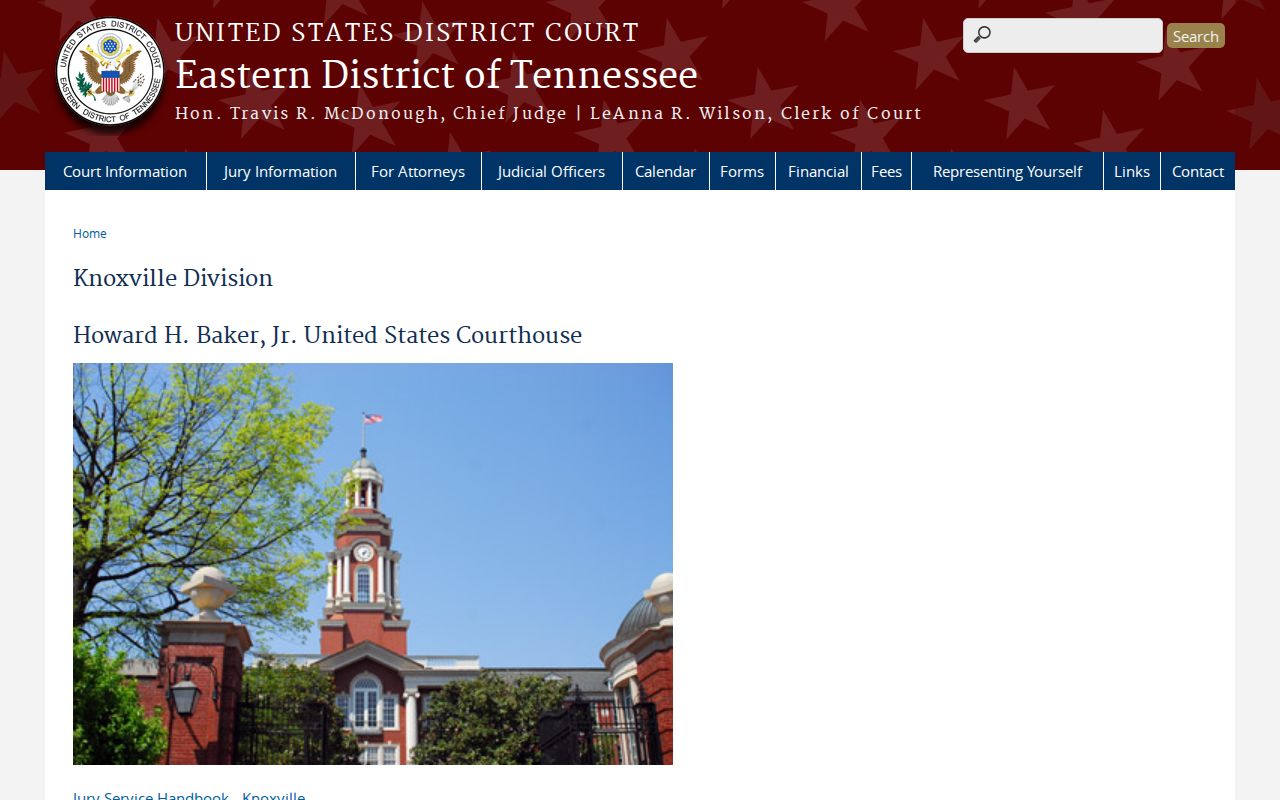
That page gives court contacts, not a case. Fees can change. The PACER fee page sets out its current search charges and waiver rules, so check it before using any federal docket service.
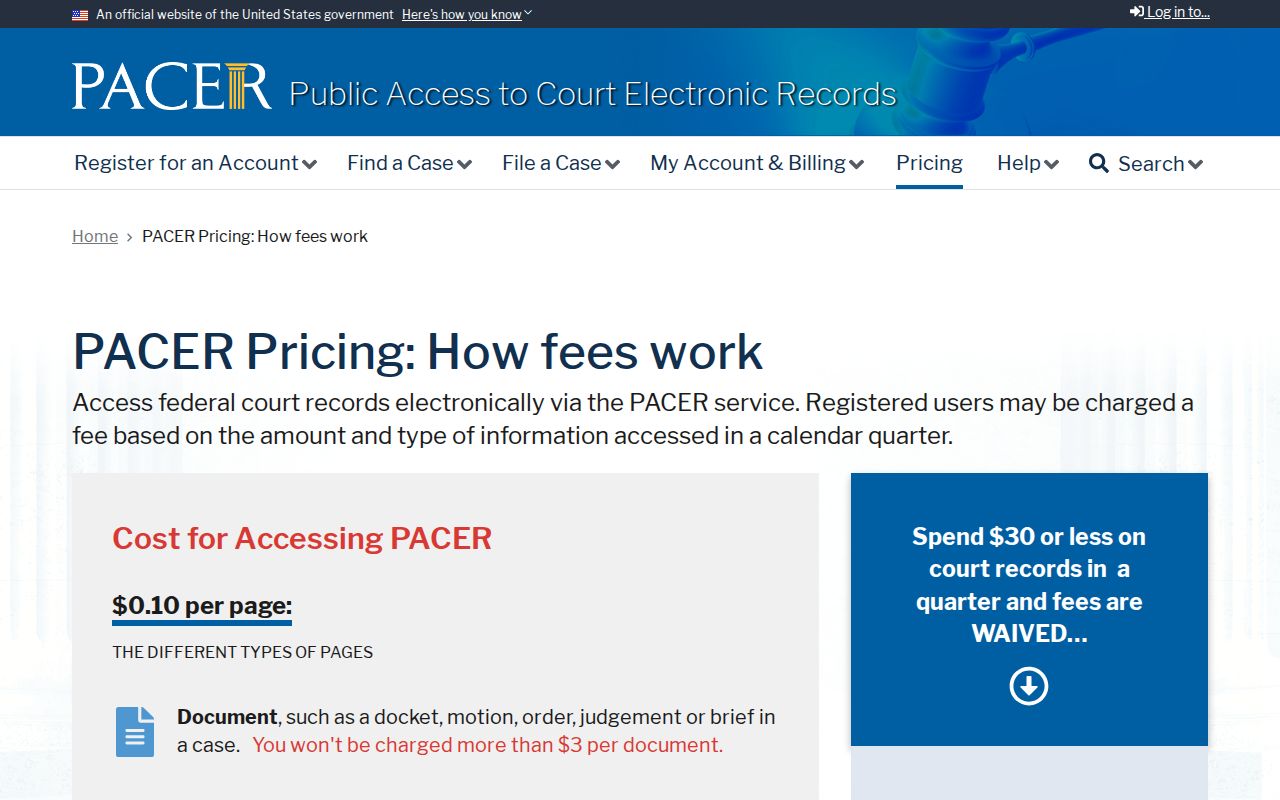
A PACER docket result can aid case research, but it does not make every federal warrant touching Anderson County publicly visible.
How Warrants Get Served in Anderson County
The issuing court records each warrant and names an authorized service route. ACSO, city police, or another peace officer may execute it. That depends on the case and the jurisdiction. On the county side, ACSO lists Criminal & Civil Warrants at the detention facility, 865-457-7100, extension 7115. Booking Intake sits at extension 7118. ACSO's public contact page posts no complete roster and no warrant-specific surrender schedule. Call ACSO for agency-held status or booking instructions. A city ordinance or traffic case belongs to that city's court clerk and police department. Ask which office holds the return. The sheriff's line can tell what ACSO holds. Recall or dismissal rests with the issuing judge or court.
Who Serves an Anderson County Arrest Warrant?
General Sessions and Criminal Court papers in Anderson County may be served by ACSO or another authorized officer. Oak Ridge works differently. Its General Order 427 spells out how sworn Oak Ridge Police officers handle state, municipal, search, and FTA-related legal documents. That policy covers the city only. Other cities publish police contacts without a full online warrant search. The Circuit Court Clerk's contact page splits Criminal/Circuit Court apart from General Sessions I and II. If a warrant has been served, ask which agency filed the return. Then ask when the court's docket will reflect it. Federal process goes back to the Eastern District clerk or the U.S. Marshals.
Arrest Warrants, Summonses, and Bench Warrants
These terms mark different paths in Anderson County courts, even when each can require a court appearance. A summons orders attendance, not arrest. A missed court date invites a bench or FTA warrant. A complaint-based arrest warrant follows a probable-cause review, while a Rule 9 capias arises after indictment or presentment.
| Process | Trigger | First office |
|---|---|---|
| Arrest warrant | Sworn complaint / probable cause | Issuing Sessions or Criminal clerk |
| Summons | Court directs a person to appear | Court named on notice |
| Bench / FTA | Missed setting or noncompliance | Court that set the date |
| Rule 9 capias | Indictment or presentment | Criminal Court Clerk |
A city-court process and a child-support matter have separate clerks and access rules.
Anderson County Booking Does Not End the Case
Booking is a custody event. It does not dismiss the underlying charge. ACSO publishes separate detention contacts, but it does not set every bond or decide whether a charge continues. Ask the clerk or the court for the next date. Ask the agency what release paperwork follows a bond or other court action. Anderson County has no public countywide bond schedule, no warrant payment portal, and no fixed release timeline. A city payment schedule like Oak Ridge's applies only to its own city court, not to every arrest warrant. Keep bond receipts, release papers, and the court's next-setting notice.
Handling an Arrest Warrant in Your Name
Found a warrant in your name? Call the clerk and ACSO Criminal & Civil Warrants before you show up anywhere in Anderson County. Ask whether the process is active, which court signed it, whether bond is preset, whether counsel can arrange a walk-through, and where booking happens. For felony, probation, juvenile, sealed, federal, or out-of-state matters, hire a lawyer familiar with the issuing court.
Confirm first: The public sources do not state a surrender window, required identification, or accepted bond payment method for every case. Do not assume a courthouse visit guarantees immediate release.
If Anderson County issues a recall, reset, or quash order, ask how ACSO will receive the update. The order changes warrant status. It does not end the case by itself.
Anderson County Arrest Warrant Confirmation
Start with the clerk. Ask whether the paperwork is a warrant or a summons, which judge or court issued it, the case number, and the issue date. Also ask for the charge if releasable, any bond or appearance instruction, and which agency is authorized to serve it. Told "nothing is showing"? Then ask what docket, division, and date range were checked, since sealed, juvenile, and federal records can fall outside that search. For court records, the Anderson County docket page links to Circuit/Criminal and General Sessions dockets. Need a releasable copy? The county TPRA request process may produce one, though sealed, juvenile, investigative, and protected records can be withheld. Questions on agency-held documents? ACSO Records takes them at 865-457-6258. Step-by-step help sits in the Anderson County warrant overview. The Circuit Court Clerk docket page handles Circuit/Criminal and General Sessions dockets. The ACSO warrants desk covers county process. The AOC Anderson County directory names the local court set. These route your questions. They are not a live warrant list.